

Buying a flat in India isn’t just a transaction—it’s a high-stakes bet on your future, family security, and finances. With markets fluctuating wildly across metros like Mumbai, Delhi-NCR, Bengaluru, and Hyderabad, one wrong move can trap you in delays, disputes, or depreciation. This ultimate guide to buying flats in India dives deep into every critical angle, unpacking trigger points that snag 70% of buyers, from hidden legal traps to crumbling infrastructure. Armed with these insights, you’ll spot red flags early and negotiate like a pro.
Property Price Clarity
Current Property Rates Across Key Markets
Property rates in India aren’t uniform—they swing based on city tiers, micro-locations, and demand cycles. In Mumbai’s suburbs like Thane or Navi Mumbai, expect ₹15,000-30,000 per sqft for mid-range 2BHKs, while South Mumbai crosses ₹50,000 easily.
Delhi-NCR’s Dwarka Expressway offers ₹8,000-12,000/sqft, cheaper than Gurgaon’s ₹15,000+ in established pockets, but verify via 99acres or Magicbricks for live listings. Bengaluru’s Whitefield IT hubs hit ₹9,000-14,000/sqft, with Peripheral Ring Road areas climbing fast due to tech influx. Always cross-check circle rates (government minimums) against market realities—sellers inflate by 20-30% in hot zones. Trigger point: Underquoting base prices to lure, then piling on “development charges” post-booking.
Price Trends and Appreciation Potential
Appreciation isn’t guaranteed; it hinges on infrastructure timelines and economic shifts. Post-2024, NCR saw 10-15% YoY jumps along metro corridors, while Hyderabad’s ORR added 12% from pharma boom. Stagnant areas like Pune’s older suburbs lag at 4-6%, eroded by oversupply.
Track 3-5 year histories: RERA data shows ready-to-move flats appreciate 8-12% faster than under-construction due to possession certainty. Future triggers include inflation (8%+ erodes affordability) and stamp duty hikes—Maharashtra’s 6% bites harder than Karnataka’s women-concessional 5%. Red flag: Projects in flood-prone lowlands depreciate 10-20% post-monsoon revelations. Demand historical sales data from sub-registrar offices for unfiltered truths.
Negotiation Tactics for Best Pricing
Haggle ruthlessly: Offer 10-15% below asking in cooling markets, citing RERA delays elsewhere. Festive seasons see 5-7% discounts; use competitor brochures as leverage. Factor holding costs—delays add 2 years’ rent (₹10-15L loss).
Trigger point: Ballooning super-built-up ratios (over 30%) inflate EMIs; insist on carpet-area pricing.
Location Analysis
Connectivity to Roads, Metro, and Workplaces
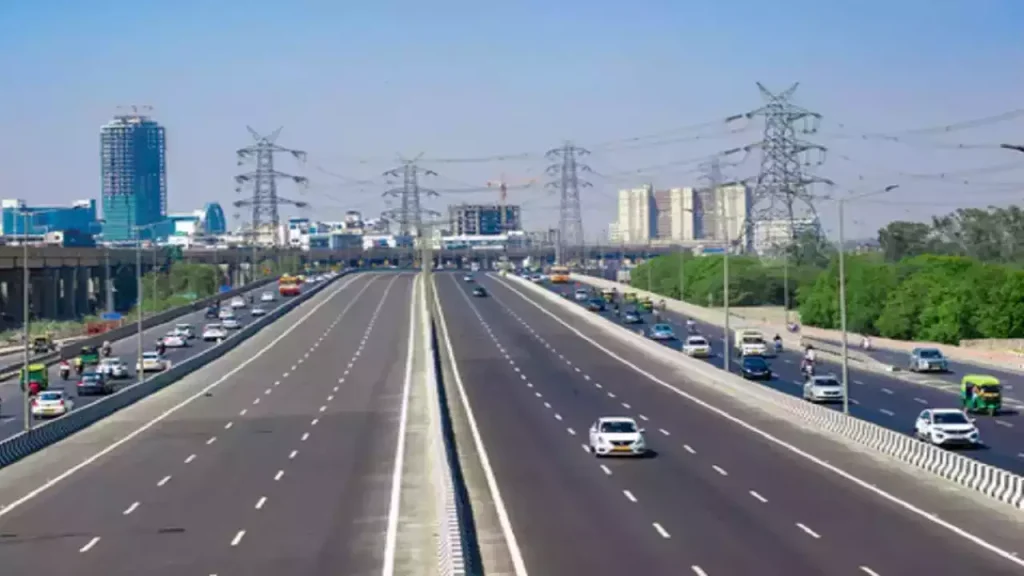
Connectivity defines 60% of a flat’s worth—aim for under-30min peak-hour drives to offices. Metro Phase 3 in Delhi unlocks Noida Extension (₹7,000/sqft), slashing Gurugram commutes from 90 to 45 minutes. Hyderabad’s metro extensions boost Gachibowli yields.
Trigger point: “Upcoming” roads promised in brochures but stalled in master plans—check MoRTH portal for NH widening timelines. Google Maps traffic layers expose chokepoints; avoid single-entry projects prone to gridlock.
Proximity to Essentials: Schools, Hospitals, Markets
Daily life hinges on 2-5km radii: Ryan/DPS schools, Apollo/Max hospitals, D-Mart within 10min walks. Bengaluru’s Sarjapur Road clusters these, justifying premiums. Red flag: Gated isolation without autos—women and elders suffer.
Use Zomato/Swiggy delivery times as proxies; over 20min signals weak local supply chains. Future-proof with school admissions data—oversubscribed ones tank family appeal.
Micro-Location Risks: Traffic, Pollution Hotspots
Zoom into 500m: High-tension wires devalue 15%; industrial effluents poison groundwater. Noise from highways (over 70dB) stresses kids—measure via apps like Decibel X.
Trigger point: Elevated roads blocking views/ventilation, common in NCR flyovers.
Builder Reputation
Scrutinizing Past Projects Thoroughly
Reputation screams from delivery stats: Scan 5-10 prior projects for OC issuance dates vs promised handovers. Sites like Housing.com flag 2-3 year delays in 40% of launches. Visit unvarnished: Peeling paint signals corner-cutting.
Trigger point: JV builders (joint ventures) where one partner’s bankruptcy stalls everything—Unitech’s ghost towers warn.
Delivery Records and Timelines
RERA mandates quarterly updates; deviations over 3 months trigger refunds at 10.75% interest. Track via state portals—Maharashtra RERA lists 500+ delay cases yearly.
Red flag: Phased handovers where your tower lags by 18 months, stranding you in temporary rentals.
Construction Quality from Past Feedback
Buyer groups on Facebook reveal cracks, leaks post-handover. Demand third-party audits (₹50k worth it).
Trigger point: Overleveraged builders skim on steel (BIS 1786 grade Fe500 mandatory), risking collapses like 2019 Pune tragedies.
Legal Verification
RERA Registration Deep Dive
RERA isn’t optional—verify project number, carpet disclosures, and 70% bank escrow compliance. Complaints section shows delay petitions; over 20 active? Bail. Karnataka’s RERA fines ₹10L/day for violations.
Trigger point: Extended timelines without approvals, locking your ₹20L booking.
Land Title Clarity: Freehold vs Leasehold Traps
Encumbrance Certificate (EC) for 30 years must show zero liens. Freehold owns land eternally; leasehold (DDA 90yrs) reverts, slashing resale 25%. Litigation histories via court websites bury “clear title” claims. Red flag: Agricultural land conversions pending, inviting demolitions.
OC, CC, and Other Certificates
OC certifies habitability (fire NOC, lifts approved); CC completes externals (sewers, roads). Possession sans OC risks power cuts, no society formation.
Trigger point: Partial OCs ignoring basements, leading to water mafia dependencies.
Hidden Costs Breakdown
Registry, Stamp Duty, and GST Nuances
Stamp duty (5-7%, women 1% less in some states) + 1% registration = ₹8-10L on ₹1Cr flat. GST (5% under-construction, nil ready) evades via “under-construction” tags.
Trigger: Post-registry hikes via “corpus funds.”
Maintenance, Parking, and Club Charges
₹3-8/sqft monthly maintenance balloons with luxury (₹12+); parking ₹5-10L one-time. Club corpus ₹50L/society splits unfairly.
Red flag: No RERA-capped escalations, doubling in 3 years.
Other Sneaky Levies
PLC (preferred location 10-20%), legal fees (1%), interiors (₹2,000/sqft). NA conversion charges hit peripheral plots. Total add-ons: 15-25%—demand itemized spreadsheets.
| Hidden Cost | Typical Range | Impact on ₹1Cr Flat |
| Stamp Duty | 5-7% | ₹5-7L |
| GST | 1-5% | ₹1-5L |
| Maintenance Deposit | ₹25-50/sqft | ₹2-5L |
| Parking | Fixed ₹3-10L | ₹3-10L |
| Total | 15-25% | ₹15-25L |
Construction Quality Check
Structural Integrity: RCC, Mivan, and Beyond
RCC with Fe500 steel, M25+ concrete withstands loads; Mivan aluminium formwork seals joints watertight, cutting 20% time.
Trigger point: Shuttering marks signal cheap plywood, prone to seismic snaps (Zone IV+ mandates ductility).
Plumbing, Electrical, and Waterproofing Standards
CPVC/PPR pipes over GI (rusts fast); concealed conduits with ELCBs. Waterproofing: Crystalline for basements (10-bar proof).
Red flag: Surface leaks in samples—monsoon tests expose.
Wall Finishes and Long-Term Durability
AAC blocks over bricks for thermal breaks; putty over distemper peels less. Test: Knock for hollowness—poor compaction invites termites.
Apartment Layout & Usability
Carpet vs Super Built-Up: Ratio Realities
RERA defines carpet (inner walls) at 65-75% of super (carpet + walls + balconies + pro-rata). Over 30% loading? Negotiate down.
Trigger point: Balconies shrunk post-booking.
Ventilation, Light, and Vastu Alignment
Dual-side windows ensure cross-breeze; north-east kitchens per Vastu cut 15% energy. Shadow analysis apps verify 4hr sunlight.
Red flag: Single-aspect “boxes” mold fast.
Balcony, Storage, and Dry Areas
100sqft+ balconies usable; 20dry areas for washing. Modular wardrobes eat carpet—measure precisely.

Infrastructure Availability
Water Supply: Sources and Reliability
Municipal > borewell > tankers (₹2k/trip summers). RWH mandatory; test TDS <500ppm.
Trigger point: Depleting aquifers in Gurugram.
Power Backup and STP Systems
Full 7kVA/flat DG over commons-only; STP for 80% recycle.
Red flag: No ARD in lifts (traps during cuts).
Drainage and Waste Management
Sewer lines over septic; bio-gas plants trendy. Monsoon overflows signal undersized pipes.
Society Amenities Edge
Parking Norms and Disputes
2 ECS/flat (30sqm); stilt + 2 basements. Visitor 10% extra.
Trigger: Tandem slots waste time.
Security and Lifestyle Features
Biometrics, 3-tier CCTV; gyms with AC, infinity pools. Check joining fees ₹1-2L.
Green Spaces and Clubhouse Viability
Podium gardens filter dust; clubhouses underused? Maintenance hikes loom.
Civic Infrastructure Reality
Road Quality and Traffic Management
60ft+ internals; smart signals. Potholes post-rain? BMC failures abound.
Garbage, Waterlogging, and Public Transport
Doorstep collection; metro <1km. Flood maps (IMD) flag risks.
Environmental Factors
Air Quality, Noise, and Health Impacts
AQI <100; green buffers. Diesel gens pollute—solar mandates rising.
Flood Risks and Climate Resilience
Elevated plots; rainwater drains. Chennai 2023 floods devalued 20%.
Financing & Loans
Bank Approvals and Interest Rates
Panelled projects get 8.4-9.5%; calculate EMIs (₹1Cr/20yr: ₹84k/month).
Trigger point: Sub-prime lenders at 12%.
Eligibility, Documents, and Processing
CIBIL 750+; ITRs, salary slips. Women concessions 0.05%.
Rental Potential Insights
Yield Calculations and Tenant Profiles
3-4% metros (₹40k/2BHK Mumbai); IT pros prefer furnished. Red flag: Rental vacuum in oversupply.
Demand Drivers and Legalities
Lease deeds registered >11months; police verification.
Future Development Boost
Upcoming Infra: Metros, Airports, Ring Roads
RRR Bengaluru adds 20% in 2yrs. Master plans on UDP sites.
Government Policies: Affordable Housing, PMAY
CLSS subsidies for <₹45L; check eligibility.
Risks & Red Flags
Delay Triggers and Litigation Histories
RERA complaints >10? Exit. Title suits freeze assets.
Builder Financial Health Checks
CIBIL, bank limits; overleveraged = delays.
Resident Feedback Gold
Sourcing Honest Reviews
CommonFloor, WhatsApp groups; evening visits gauge occupancy (70%+ ideal).
Maintenance and RWA Efficacy
Audit books; litigious RWAs spike levies.
Comparison With Nearby Areas
Dwarka Expwy outshines Manesar on all metrics—use tables for quick scans.
| Metric | Dwarka Expwy | Manesar | Old Gurgaon |
| Price/sqft | ₹10-12k | ₹7-9k | ₹14-18k |
| Metro Time | 20min | None | 45min |
| Appreciation | 12% | 8% | 5% |
Step-by-Step Buying Process
From Site Visit to Booking
Your journey starts with targeted site visits that cut through sales hype. Shortlist five projects matching your budget and location after online scans, then spend evenings there watching resident flow, traffic ease, and maintenance realities—avoid weekends’ staged crowds. Book on the spot with a ₹5-10 lakh token, fully refundable under RERA if you back out within 15 days, locking your preferred unit before it vanishes in hot markets.
Agreement, Payments, Possession
Next comes the agreement stage, where payments align with milestones to protect your cash. Sign the allotment letter post-booking, followed by the builder-buyer agreement on 10-20% upfront (₹10-25 lakh typical), detailing carpet area, specs, and penalties for delays at MCLR+2%. Construction-linked plans (CLP) release funds tower-wise—5% base slab, 10% floors, up to 30% pre-OC—keeping builders accountable; demand bank guarantees for every tranche.
Possession demands the Occupancy Certificate in hand, proving legal livability with fire safety and utilities cleared. Builders hand keys only post-OC, often after full payment minus 5-10% retention till snags fix—inspect fittings, leaks, and finishes during joint handover. No OC? Refuse occupancy; it risks power cuts and RERA fines, stranding you in limbo.
Registration and Handover
Final registration cements ownership four months post-possession, once society forms and khata transfers. Pay stamp duty (5-7%) and 1% fees at sub-registrar, mutate revenue records (khata) online via state portals like IgRS UP, and collect stamped deed—digital now in Maharashtra speeds it to 7 days. Handover completes with no-objection certificates from banks and RWAs, turning you into a full owner free of builder ties.
Tax Benefits Unlocked
Section 80C, 24b Deductions
Homebuyers in India gain big from Section 80C and 24(b) deductions under the Income Tax Act, easing the financial load right from purchase. You can claim up to ₹1.5 lakh yearly on principal repayments plus stamp duty and registration costs, while Section 24(b) allows ₹2 lakh on interest paid in the first year—dropping your taxable income and saving ₹30,000-60,000 in taxes depending on your slab. These kick in once you start EMIs, making that first flat more affordable without extra paperwork beyond loan certificates.
First-time homebuyers score extra rebates that sweeten the deal even further. Many states waive or cut first-home stamp duty by 0.5-1%, like Haryana’s ₹50,000 cap for properties under ₹75 lakh, while PMAY’s CLSS subsidy adds ₹2.67 lakh cashback for EWS/LIG buyers. Pair this with 80C’s full limit to offset up to ₹2 lakh total in year one, turning a stretched EMI into manageable cash flow—always file with Form 16A from your lender for smooth ITR claims.
Capital Gains and Indexing
Capital gains tax hits when you sell, but indexing shields profits from inflation beautifully. Long-term gains over ₹1.25 lakh (20% tax) get indexed using CII—say you bought at ₹50 lakh in 2020 and sell at ₹1 crore in 2026, indexed cost jumps to ₹85 lakh, taxing just ₹15 lakh gain. Skip tax entirely by investing proceeds in 54EC bonds like REC or NHAI within 6 months—they lock 5 years but save lakhs, ideal for upgrading without IRS bites.
These perks demand precise timing and records, so loop in a CA early. Miss the first-year interest cap or forget indexing? You overpay silently. With 2026’s proposed green home extensions, solar-equipped flats might unlock bonus 80EE deductions—track Budget updates to maximize every rupee back.
Practical Buyer Checklist
- Docs: RERA, EC, approvals.
- Physical: Cracks, leaks, light.
- Society: Occupancy, RWA.
- Finances: EMI fit <40% income.

Trending 2026 Essentials
Sustainable Features: Solar, EV, Rainwater
In 2026, smart buyers in India zero in on sustainable features that slash long-term costs and align with green building norms. Rooftop solar panels now come standard in premium projects, generating 40% of a flat’s power needs and cutting electricity bills from ₹8,000 to ₹4,800 monthly for a 3BHK—especially vital in sunlight-rich cities like Ahmedabad or Chennai. EV charging stations sit mandatory in new RWAs under revised model bylaws, with at least one per tower at 7kW capacity, future-proofing your parking spot as electric vehicle sales hit 25% market share post-2025 subsidies. Rainwater harvesting goes beyond basics: dual-tank systems filter and store 30% of annual rainfall for non-potable use, dodging municipal shortages and slashing tanker costs that spike to ₹3,000 per load in summer-parched suburbs like Gurugram or BKC peripheries.
Tech Tools: VR Tours, AI Valuations
Technology tools transform how buyers scout flats remotely, saving weeks of travel. VR tours via Matterport let you walk through exact units—zoom into kitchen cabinets, check balcony views at noon, and spot construction shortcuts like uneven tiling—directly from your phone, with 360° hotspots marking Vastu flaws or lift noise bleed. AI valuations from platforms like Prophtree crunch hyperlocal data (past sales, infra timelines, AQI trends) to predict appreciation with 18% accuracy over 24 months, flagging overpriced pockets like oversupplied Hinjewadi before you book. These beat static brochures, letting NRIs or busy professionals shortlist confidently without agents inflating fees.
Women and NRI Specials
Women and NRI buyers unlock tailored edges that smooth deals and save thousands. Most states now offer 1-2% lower stamp duty for women (e.g., Maharashtra’s 5% vs men’s 6%), trimming ₹1-2 lakh off a ₹1 crore registry—pair it with joint ownership to lock tax perks. NRIs streamline via power of attorney (POA) registrations, empowering local kin or lawyers to handle site visits, agreements, and mutations without FEMA hassles, cutting overseas trips by 80%. Online e-stamping and video KYC from banks like HDFC speed loan nods, ensuring you snag festive discounts remotely while dodging currency flux.
FAQs for Smart Homebuyers Before They Buy a Flat in India
Go through these 25 smart questions smart homebuyers should ask before buying any flat in any part of India.
Builder & Project Credibility
Q. Has the builder delivered previous projects on time?
A. Builders often promise quick handovers but miss deadlines by years, leaving buyers in limbo with rent payments piling up. Smart shoppers dig into RERA records and buyer forums for proof of past deliveries—reliable ones like Lodha or Godrej stick close to schedules. Delays signal cash flow woes; walk away unless they offer compensation or penalties in writing. On-time track records mean less stress and faster equity buildup.
Q. Are there any RERA complaints or legal disputes against the developer?
A. RERA portals list every complaint from delays to defects—hundreds against sloppy builders like Unitech. Legal fights over land titles or funds diversion freeze projects for years. Cross-check state RERA sites, court records via Manupatra, and buyer groups on WhatsApp. Zero major issues? Green light. Even minor ones warrant caution; unresolved disputes erode trust and resale value fast.
Q. Is the land freehold or leasehold?
A. Freehold gives full ownership forever; leasehold ties you to 30-99 year terms where DDA or authorities reclaim it later, slashing resale prices by 20-30%. Most premium projects go freehold now, but check title deeds and encumbrance certificates. Leasehold suits budgets but limits inheritance and loans—banks hesitate. Insist on freehold for lasting security in India’s volatile market.
Q. Is the project fully approved by banks for home loans?
A. Bank approvals confirm structural safety, clear titles, and RERA compliance—top lenders like HDFC, SBI panel only vetted projects. Without it, loans dry up or rates spike to 12%+. Verify empanelment letters; unapproved ones trap you in personal loans at 15%. Full nods from 5+ banks signal low risk, easing your financing and boosting buyer confidence.
Q. Does the project have Occupancy Certificate (OC) and Completion Certificate (CC)?
A. OC proves the building is livable and fire-safe; CC covers full infrastructure like roads, sewers. No OC means illegal possession, no water/electricity connections, and RERA fines. Many occupy without—risking demolition notices. Demand both before keys; post-OC flats fetch 10-15% premiums. Skip under-construction without firm timelines.
Construction Quality
Q. What type of construction technology is used (RCC, MIVAN, etc.)?
A. RCC forms the backbone—sturdy but slow with heavy shuttering. Mivan aluminium molds speed high-rises by 30%, yielding seamless walls needing less plaster. Precast cuts time further but check joint quality. Visit sites; Mivan shines in monsoons for watertightness. Inferior tech leads to cracks—prioritize proven methods matching local weather and soil.
Q. Is the building earthquake-resistant as per the local seismic zone?
A. India spans Zones II-V; Zone V (NE states) demands ductile frames, base isolators. Zone III (Delhi-NCR) needs shear walls, flexible columns. Verify BIS 1893 compliance via engineer reports. Retrofitting costs crores later. Test: buildings sway, don’t snap in quakes. Sloppy designs collapsed in 2001 Bhuj—insist on certified seismic audits for family safety.
Q. Are walls made of brick or AAC blocks?
A. Red bricks absorb heat, crack easily, demand thick plaster. AAC blocks—light aerated concrete—insulate better, resist fire 4 hours, slim walls add carpet space. Costlier upfront but save 20% on cement, cool homes naturally. Feel the difference: AAC stays cooler in summers. Most modern projects switch; confirm specs to dodge humid, echoey rooms.
Q. Has the builder provided waterproofing for roofs and basements?
A. Monsoon floods ruin basements; poor roofs leak forever. Demand polymer-cement membranes, crystalline admixtures tested to 10-bar pressure. Check past projects for dampness. Basements without dual pumps flood yearly—Bengaluru nightmare. Waterproofing warranties (10+ years) protect against callbacks. Inspect during rains; dry basements mean dry wallets long-term.
Q. Are lifts from a reliable brand with adequate capacity?
A. Cheap lifts break monthly, trap residents. Brands like Otis, KONE, Schindler offer 1,000kg capacity (13 people), ARD backups. Norms: 1 lift/25 flats, speeds 2m/s. Test ride: smooth, quiet? High-rises need 2-4 per core. Factor ₹5-10/sqft annual maintenance hikes from duds. Reliable ones boost resale by ensuring hassle-free vertical living.
Apartment Layout and Livability
Q. What is the actual carpet area vs super built-up area?
A. Carpet is pure usable floor—your sofa space. Super built-up loads 25-35%: walls, balconies, 25% common areas. A 1,000sqft super flat gives 650-700 carpet. RERA mandates disclosure; haggle if over 30%. Measure sample flats. Low ratios (under 70%) scream value—avoid greedy loading that inflates EMIs needlessly.
Q. How many flats are there per floor?
A. 2-4 flats/floor means privacy, less noise, dedicated lifts. 6-8 spells queues, thin walls, chaos. High FPR (>5) drops prices 10-15%. Compact floors with 3BHKs suit families. Check plans: corner units best. Low numbers signal premium—your peaceful haven amid urban density.
Q. How many lifts serve each tower?
A. 1 lift/25-30 flats minimum; high-rises need 2 service + 2 passenger per core. Peak wait <45s. Fire lift mandatory. Test during visits. Skimpy setups spike maintenance, frustrate daily. Ample lifts preserve sanity, add 5% value—essential for elders, kids in 20+ storey towers.
Q. Is there proper cross ventilation and sunlight in the flat?
A. East-west windows pull breeze; north-south cut glare. Vastu aligns, but measure: 10% floor as openings. Sample flats at noon—shadow-free? Blocked views trap heat, mold. Gardens below boost airflow. Poor ventilation breeds illness; sunlit homes save AC bills, lift moods. Prioritize over fancy fittings.
Infrastructure & Utility
Q. What is the main water source—municipal supply, borewell, or tankers?
A. Municipal lines guarantee 24/7; borewells deplete, turn salty. Tankers cost ₹2,000/trip in summers—Bengaluru’s curse. Rainwater harvest + recharge sustains. Check bylaws, past shortages. Dual sources best; tanker reliance kills resale. Pure supply secures health, predictability.
Q. Is there a sewage treatment plant (STP) in the society?
A. STP recycles 80% sewage for flushing, gardens—cuts bills 40%. Mandatory for 50+ units; capacity matches peak load. Poor ones smell, fail monsoons. Visit: zero odor? Tertiary treated water shines. No STP? Fines loom, tankers drain pockets. Green, cost-saving essential.
Q. Is full power backup available or only for common areas?
A. Commons-only leaves you dark during 2-3hr cuts; full DG set powers ACs, fridges. Costs ₹3-5/unit kWh extra. Pune societies skimp—buyer fury. Check load: 5-7kVA/flat. Full backup ensures sleep, work continuity—worth 5% premium for reliability.
Q. Are roads around the project wide enough for future traffic?
A. 40-60ft internal, 80ft+ access roads handle growth; narrow chokes ambulances, drops value 15%. Masterplan approvals confirm widening. Drive peak hours. Future-proof prevents gridlock regret—key for schools, hospitals runs.
Society & Living Conditions
Q. What are the monthly maintenance charges per square foot?
A. ₹3-6/sqft average; luxury hits ₹10. Covers STP, lifts, security. RERA caps hikes; audit post-RWA. High? Negotiate pre-sale. Low signals neglect. Benchmark neighbors—transparent billing builds trust.
Q. How many parking spaces are available per apartment?
A. 1-2 ECS/flat (13.75sqm each); stilt + basement. Visitor 10% extra. RERA mandates. Disputes rage without. 2-car norm future-proofs; tandem wastes time. Ample spots preserve harmony, resale edge.
Q. Is there a Resident Welfare Association (RWA) already managing the society?
A. Interim RERA or builder RWA starts; full post-50% handover. Active ones fix issues fast, curb misuse. Check minutes, funds. Weak RWAs let lobbies rot. Strong governance stabilizes levies, events—vital for community vibe.
Q. What percentage of flats are occupied vs unsold or rented?
A. 70%+ occupied means lively, low vacancy fees. Rental-heavy (>40%) hikes noise, turnover. Unsold burdens owners. Site visit evenings: buzz? Balanced mix fosters ownership pride, steady appreciation.
Financial & Investment Factors
Q. What is the rental demand in this location?
A. Metro hubs like Mumbai yield 3-4%; suburbs 2-2.5%. IT, jobs drive it. Check 99acres yields, agent talks. High demand covers EMIs, cushions dips. Low? Rental vacuum drains cash. Location trumps luxury.
Q. What are the total hidden costs besides the base price?
A. 10-15% extras: 5-7% stamp duty, 5% GST (1-2BHK), 1% reg, ₹2L society deposit, 1% legal, interiors ₹1,500/sqft. NA plots add conversion. Budget full; shocks derail deals. Transparent builders list all upfront.
Q. How easy will it be to resell the property in the future?
A. OC, freehold, 80% occupied, growing area ease flips in 3-6 months at 8-12% gain. Delays, leases drag years. Check past sales on popular property portals. Liquidity gold in metros; suburbs slower. Buy exits as smart as entry.