

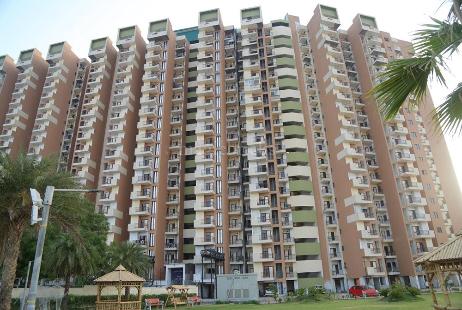
Purchasing a flat in Raj Nagar Extension, Ghaziabad, demands meticulous scrutiny to sidestep pitfalls like construction defects, legal disputes, or hidden charges prevalent in this booming suburb near NH-24. This comprehensive 50-point checklist, tailored for 2026 buyers, spans legal verification, site evaluation, structural integrity, interiors, utilities, and amenities, empowering you to negotiate better or walk away confidently. Drawing from standard Indian real estate practices and prior market insights on affordability (₹20 lakhs–₹2 crores), it ensures value for money amid rising prices (₹7,153/sq ft average). Let’s inspect these points while searching flats in Ghaziabad.

Legal Documents (1-10)
- Verify the project’s RERA registration on the UP RERA portal, ensuring all details match the developer’s claims for transparency and timelines.
- Cross-check the title deed and encumbrance certificate (EC) for over 30 years to confirm undisputed ownership and no liens.
- Inspect approved building plans, layout sanctions from Ghaziabad Development Authority (GDA), and environmental clearances.
- Review the commencement certificate, occupancy certificate (OC/CC) for ready-to-move units, and completion certificate.
- Examine the sale agreement, allotment letter, payment receipts, and builder-buyer agreement for clause compliance.
- Probe for litigation history via court records or online portals, and assess developer’s past project delivery track record.
- Validate any power of attorney documents if the developer isn’t the direct landowner.
- Ensure stamp duty payment proofs and registration readiness per state norms.
- Check for no pending dues like society maintenance or utility deposits.
- Document all findings in writing for legal recourse if discrepancies arise.
Site and Location (11-15)
- Evaluate proximity to key spots like NH-24, Vaishali Metro, schools (e.g., Ryan International), hospitals, and markets for daily convenience.
- Inspect for monsoon waterlogging risks in low-lying plots, common in extension areas, by checking nearby drainage.
- Assess ambient noise from traffic, construction, or industries; visit at peak hours and night.
- Confirm boundary walls, 24/7 gated security, CCTV coverage, and adequate street lighting.
- Review master plans for upcoming infrastructure like road widening or metro extensions impacting value.
Structure and Exterior (16-25)
- Scan for structural cracks in columns, beams, slabs, or foundation using a torch and level tool.
- Check external plaster, paint quality, and waterproofing for seepage marks or flaking.
- Inspect roof condition for flatness, leaks, proper slopes, and rainwater harvesting drains.
- Test windows, doors, grills for smooth operation, weather seals, rust-free frames, and burglar-proof locks.
- Examine balcony railings, parapets for height (min 1.1m), strength, and no sharp edges.
- Verify compound walls, external pathways, and stormwater drains to prevent flooding.
- Assess building elevation uniformity, cladding, and signage aesthetics.
- Check external staircases, ramps for anti-skid surfaces, railings, and emergency lighting.
- Look for algae, efflorescence, or damp patches on outer walls indicating water issues.
- Confirm seismic compliance (Zone IV for Ghaziabad) via RCC detailing and expansion joints.
Interior Walls and Flooring (26-30)
- Tap walls hollowly to detect poor plastering or voids behind finishes.
- Probe for hairline cracks, damp spots, uneven surfaces, or bubbling paint.
- Measure flooring levelness with a spirit level; check for chipped tiles, loose grout, or gaps.
- Inspect wall/ceiling paint for even coats, no peeling, and color consistency.
- Scan for termite mud tubes, fungus patches, or pest entry points in corners.
Plumbing and Bathrooms (31-35)
- Run all taps/showers for 10 minutes to test water pressure, temperature mixing, and flow rates.
- Flush toilets multiple times; inspect for leaks in traps, pipes, or joints underneath.
- Verify bathroom floor slopes to drains, no water pooling, and effective exhaust fans.
- Check fittings like geysers, mirrors, towel rods, and anti-skid tiles for quality.
- Confirm waterproofing by splashing water; look for membrane failures or silicone seals.
Electrical and Lighting (36-40)
- Locate DB panel; verify MCBs, RCCBs, earthing pits, and proper wire sizing per load.
- Test every switch, socket, fan, exhaust, and light fitting for functionality and sparking.
- Inspect AC points, geyser circuits, modular switches, and conduit labeling.
- Simulate overloads to test breaker tripping and reset mechanisms.
- Check balcony, corridor lights, and emergency backups for dusk-to-dawn operation.
Kitchen and Utilities (41-43)
- Examine granite counter slabs, sink depth, drainboard slopes, and joint sealing.
- Verify provisions for chimney, water purifier, RO points, and modular cabinets.
- Test gas pipeline joints for leaks using soapy water; confirm regulator and safety valves.
Common Areas and Amenities (44-48)
- Ride lifts multiple times; check speed, doors, overload sensors, and service logs.
- Inspect gym equipment, pool filtration, clubhouse AC, kids’ play area safety surfacing.
- Allocate and measure your parking slot; verify basement ventilation and fire exits.
- Test DG sets, water pumps, overhead tanks, STP effluent quality, and rainwater reuse.
- Review fire hydrants, sprinklers, alarms, smoke detectors, and assembly points.
Final Handover Checks (49-50)
- Measure carpet vs. super built-up area against agreement; note any encroachments.
- List all snags/defects in a joint inspection report with photos for rectification timelines.
Conclusion
Rigorously applying this checklist minimizes risks in Raj Nagar Extension’s dynamic market, safeguarding your investment amid 16% YoY price hikes. Engage a certified valuer or RERA-approved inspector for objectivity, and always negotiate fixes before token payment.